
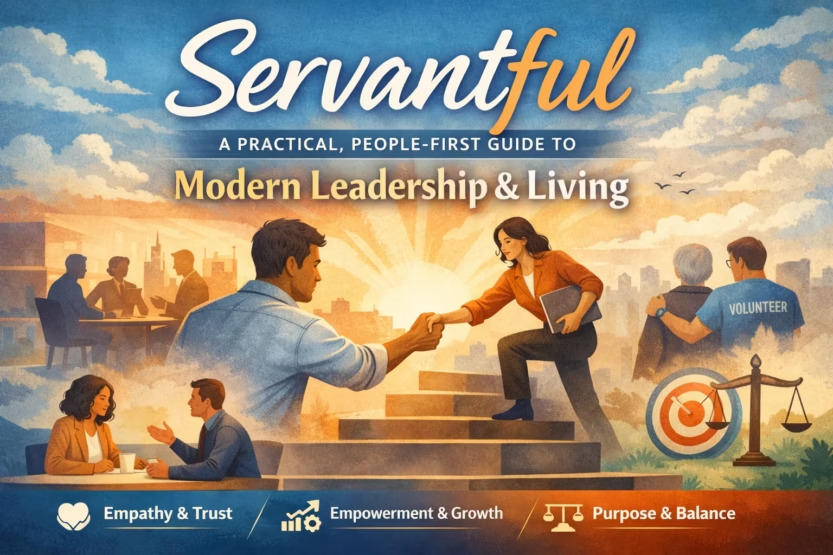
Introduction: Why Servantful Leadership Is the Future
In today’s fast-moving, results-driven world, many people feel overlooked, undervalued, and disconnected. Traditional leadership models often prioritize output over people, speed over sustainability, and authority over empathy. That’s where the concept of Servantful comes in—a modern, human-centered approach that redefines how we lead, work, and live.
Servantful is more than a buzzword. It represents a shift in mindset—one that blends service, empathy, intentional action, and self-awareness into everyday decisions. Whether you’re leading a team, building a business, or nurturing relationships at home, adopting a servantful approach can help you create trust, improve collaboration, and build lasting impact.
This guide explores what it means to be servantful, why it matters now more than ever, and how you can apply it in practical ways across your life.
What Does “Servantful” Mean?
The term Servantful may not yet appear in dictionaries, but its meaning is clear and powerful: being filled with the spirit of service while maintaining self-respect and purpose.
At its core, being servantful means:
- Prioritizing the growth and well-being of others
- Acting with empathy, intention, and clarity
- Balancing service with healthy personal boundaries
- Creating value through people-first thinking
Unlike outdated notions of self-sacrifice, servantfulness is not about diminishing yourself. It’s about designing environments where both you and others can thrive. It’s a balanced approach—service without burnout, leadership without ego, and success without exploitation.
Why Servantful Matters in Today’s World
1. The Growing Need for Trust and Empathy
Modern workplaces and communities are experiencing a trust deficit. People want to feel heard, respected, and understood—not treated as numbers or tools.
A servantful approach addresses this by:
- Encouraging open communication
- Building psychological safety
- Fostering authentic relationships
When people feel safe and valued, they are more likely to contribute ideas, take initiative, and collaborate effectively.
2. Sustainable Success Over Short-Term Wins
Quick wins often come at a cost—burnout, poor morale, and fragile systems. Servantful leadership focuses on long-term value by:
- Investing in people development
- Improving systems and processes
- Encouraging shared ownership
This approach ensures that success is not just achieved—but sustained.
3. Human-Centered Differentiation
In a crowded world, what sets you apart is not just what you do—but how you do it.
Being servantful creates a reputation for:
- Reliability
- Empathy
- Integrity
People remember how you made them feel. When your actions consistently support others, you naturally build a strong personal and professional brand.
The Core Pillars of a Servantful Mindset
1. Purpose with Humility
A servantful person operates with clarity of purpose but remains open to learning.
- Define your “why”
- Stay adaptable
- Focus on shared success, not personal gain
Ask yourself: “How can I contribute meaningfully here?”
2. Deep and Intentional Listening
Listening is one of the most underrated leadership skills.
Practice:
- Listening without interrupting
- Reflecting back what you hear
- Asking thoughtful follow-up questions
True listening builds trust faster than any strategy.
3. Empowerment and Ownership
Servantful leaders don’t control—they empower.
- Delegate with clarity
- Provide resources and support
- Celebrate others’ achievements
When people feel ownership, they perform better and grow faster.
4. Boundaries and Self-Respect
Being servantful does not mean saying yes to everything.
Healthy boundaries help you:
- Protect your energy
- Maintain focus
- Serve more effectively
Remember: sustainable service requires self-care.
5. Long-Term Stewardship
Servantful thinking is future-focused.
- Build systems, not just quick fixes
- Invest in relationships
- Treat trust as a valuable asset
Every action should contribute to long-term stability and growth.
How to Practice Being Servantful in Daily Life
At Work
- Start conversations with: “How can I support you this week?”
- Share information openly to enable better decisions
- Give clear, constructive feedback
- Remove obstacles that slow others down
- Recognize contributions publicly
As a Leader
- Admit mistakes and show vulnerability
- Align roles with individual strengths
- Create consistent recognition rituals
- Protect your team from unnecessary pressure
- Prepare others to lead in your absence
In Personal Life
- Be fully present in conversations
- Offer help respectfully
- Create shared agreements in your household
- Practice small, consistent acts of kindness
Servantfulness is not limited to professional spaces—it transforms relationships at every level.
Effective Servantful Communication Techniques
1. Use “You-First” Language
Shift your communication from self-centered to service-centered.
Instead of:
“Here’s what I need…”
Try:
“Here’s how we can achieve your goal…”
2. Ask Meaningful Questions
Powerful questions unlock clarity and insight:
- “What does success look like for you?”
- “What challenges are you facing?”
- “How can I help move this forward?”
3. Close the Loop
Always ensure clarity by:
- Summarizing key points
- Confirming next steps
- Following through on commitments
Consistency builds trust.
Measuring a Servantful Culture
Leading Indicators
- Psychological safety levels
- Frequency of peer recognition
- Participation in discussions and planning
- Speed of decision-making after clarity
Lagging Indicators
- Employee retention
- Customer satisfaction and loyalty
- Consistency in project delivery
- Reduction in errors and rework
A servantful culture produces measurable, long-term results.
Common Misconceptions About Being Servantful
“It’s Too Soft”
In reality, servant-ful leadership is highly disciplined. It removes friction, improves clarity, and accelerates execution.
“It Means Saying Yes to Everything”
Not true. It’s about prioritizing high-impact service while maintaining boundaries.
“It’s Only for Leaders”
Anyone can practice servant-fulness—regardless of role or title.
A 30-Day Servantful Action Plan
Week 1: Listen More
- Hold conversations focused only on understanding
- Reflect back what you hear
- Avoid offering immediate solutions
Week 2: Create Clarity
- Simplify one process
- Share clear goals and priorities
- Remove unnecessary steps
Week 3: Empower Others
- Delegate a meaningful task
- Recognize someone’s contribution
- Encourage independent decision-making
Week 4: Protect Your Energy
- Set clear boundaries
- Review your schedule
- Eliminate low-value commitments
Small, consistent changes lead to lasting transformation.
Tools and Habits to Stay Servantful
Personal Practices
- Weekly reflection: What worked? What didn’t?
- Energy tracking: Identify when you perform best
- Continuous learning and self-awareness
Team Practices
- Open office hours for support
- Decision logs to improve transparency
- Standard templates for efficiency
These systems make servant-fulness practical and repeatable.
The Benefits of Living a Servantful Life
For Individuals
- Stronger relationships
- Increased trust and credibility
- Better career opportunities
- Greater sense of purpose
For Organizations
- Higher engagement and morale
- Lower turnover rates
- Faster execution
- More resilient culture
Servant-fulness is not just ethical—it’s effective.
Choosing a Servantful Path Forward
Living a servant-ful life is not about perfection—it’s about consistent intention. Every interaction is an opportunity to serve, support, and uplift others while staying true to yourself.
When you adopt this mindset:
- You build stronger connections
- You create meaningful impact
- You inspire others to do the same
The world doesn’t just need more leaders—it needs more people who lead with service, empathy, and purpose.
Final Thoughts
The concept of Servantful represents a powerful evolution in how we think about leadership and daily living. It challenges us to move beyond self-interest and embrace a more balanced, people-first approach.
By practicing servantfulness, you don’t just improve outcomes—you transform experiences, relationships, and environments. And in doing so, you create a legacy defined not just by success, but by the lives you positively influence.
Start small. Stay consistent. Lead with purpose.
Read this:
20 Most Successful Independent Music Artists
How to Write Professional Music Opinions and Reviews: The Ultimate Guide
A Comprehensive Guide To SSIS 469
100 Easy General Knowledge Questions and Answers In English [2025 Edition]
How to Draw a NIKE LOGO: 7 Easy Steps
How to Download Videos from Facebook in 2025?
liveeamoment. org: The Friendly Way To Embrace Mindfulness
https://audiomack.com/halmblogmusicgh
https://www.bbb.org/us/ca/torrance/profile/music/halmblog-music-1216-1000061066
https://www.mapquest.com/us/california/halmblog-music-689128333
https://www.showmelocal.com/37338467-halmblog-music-torrance
https://www.cylex.us.com/company/halmblog-music-37657929.html
https://www.superpages.com/torrance-ca/bpp/halmblog-music-577534123
https://www.yellowpages.com/torrance-ca/mip/halmblog-music-577534123
https://us.centralindex.com/company/b18d35960d2720b750f9276784653d19/halmblog-music/torrance
https://www.hours.com/us/Halmblog-Music/

