
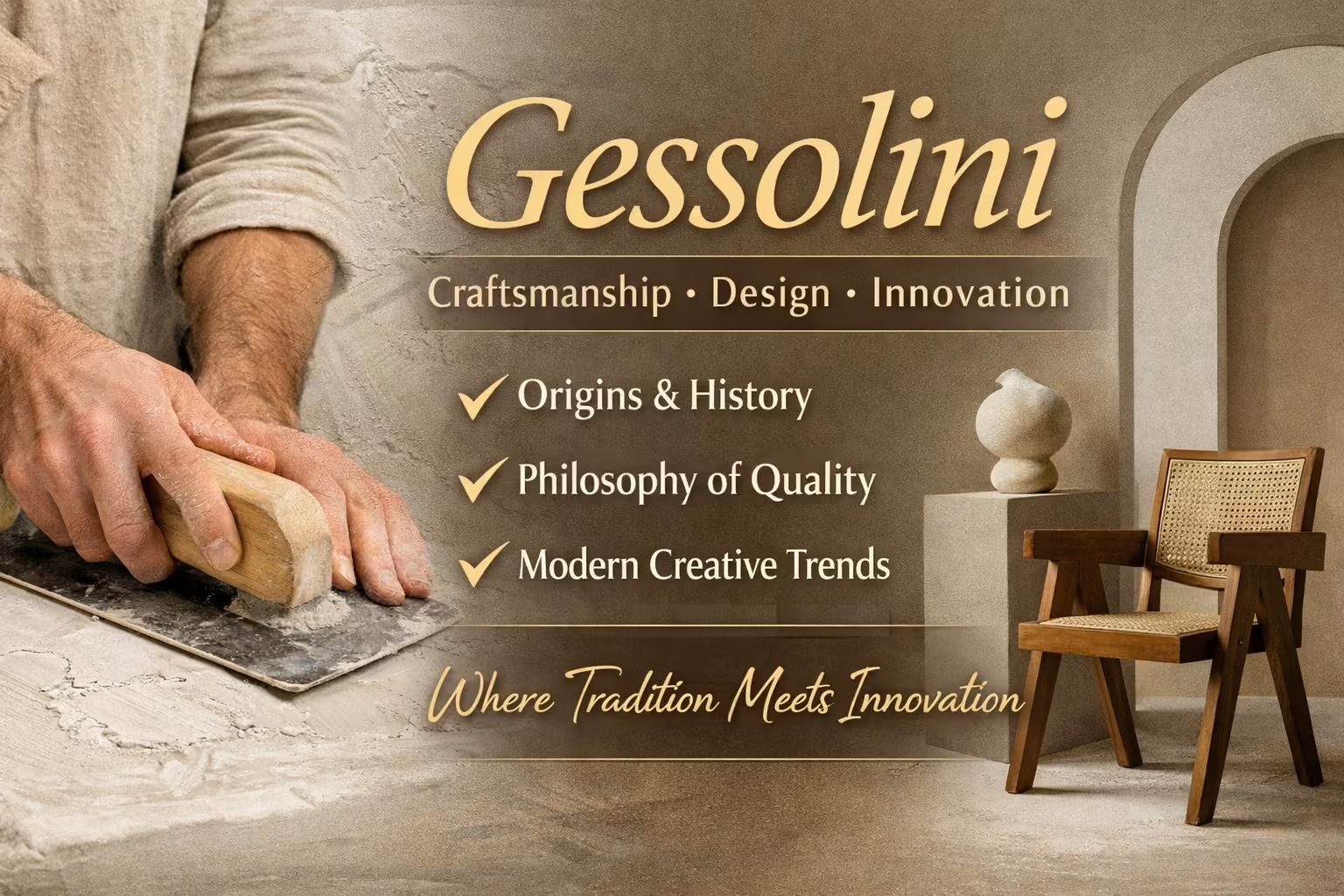
Gessolini is a fascinating concept that blends traditional craftsmanship with modern design thinking. While the word may sound unfamiliar to many people, it represents ideas that are deeply connected to art, creativity, and thoughtful creation. In today’s world—where mass production often replaces craftsmanship—the principles behind Gessolini remind us of the importance of quality, authenticity, and sustainability.
At its core, Gessolini is associated with artistic traditions that originate from Italian culture and historical craftsmanship. The concept has evolved over time, moving from a material or technique used in art into a broader philosophy that influences design, architecture, lifestyle products, and even branding strategies.
In this guide, we will explore everything about Gessolini—from its origins and historical roots to its growing relevance in modern design and creative industries. By the end of this article, you will understand why this concept is gaining attention among designers, artists, entrepreneurs, and innovators around the world.
What Is Gessolini?
To understand the idea behind Gessolini, it helps to look at its linguistic and historical origins. The term is believed to derive from the Italian word “gesso,” which means chalk or plaster. Historically, gesso was widely used by Renaissance artists to prepare surfaces for painting and decorative artwork.
Artists would apply layers of gesso to wooden panels or canvases to create a smooth and stable surface for painting. This process allowed pigments to adhere properly and helped artworks maintain their beauty for centuries.
Over time, the concept expanded beyond the material itself. Designers and artisans began using the word to describe a broader philosophy centered on:
-
Precision and craftsmanship
-
Deep understanding of materials
-
Attention to detail
-
Long-lasting design
In modern interpretation, Gessolini represents a creative mindset that values thoughtful design and durable craftsmanship instead of disposable products.
The Historical Roots of Gessolini
Renaissance Craft Traditions
During the Renaissance period, artists in Italy and across Europe relied heavily on gesso-based materials when preparing surfaces for painting, sculpture, and decorative architecture. These materials were made from natural minerals such as chalk or marble dust combined with binding agents.
The preparation process required patience and skill. Craftsmen carefully layered and polished surfaces until they achieved the perfect texture for painting.
This tradition emphasized:
-
patience
-
material knowledge
-
skilled craftsmanship
These same principles later became the philosophical foundation behind the concept of Gessolini.
Artisan Workshops and Craftsmanship
In historical workshops, artisans spent years mastering their craft. Apprentices learned techniques such as mixing materials, applying layers, and polishing surfaces to perfection.
These traditions reinforced the idea that great work comes from dedication, discipline, and understanding materials deeply. Today, the same philosophy is still admired in industries that prioritize craftsmanship.
The Evolution of Gessolini Into a Modern Philosophy
As industries evolved, the meaning of Gessolini expanded beyond art materials and traditional techniques. Today it represents a design philosophy that values quality, authenticity, and sustainability.
Instead of focusing only on appearance, this philosophy emphasizes understanding how materials behave and designing products that last over time.
Modern creators use these principles to guide their work across many industries, including:
-
architecture
-
interior design
-
fashion
-
digital product design
-
branding and marketing
This shift reflects a growing global movement that encourages mindful creation rather than fast production.
Core Principles Behind the Gessolini Philosophy
Several important principles define the philosophy and approach associated with this concept.
1. Precision and Attention to Detail
Every element of a design matters. Whether in architecture or product design, attention to detail ensures durability and visual harmony.
Precision also reflects respect for the materials and the craftsmanship involved in creating something meaningful.
2. Material Intelligence
Material intelligence refers to understanding how materials behave under different conditions.
For example:
-
wood expands with humidity
-
metals respond to temperature
-
fabrics stretch and wear over time
Designers who understand these behaviors can create products that last longer and perform better.
3. Authenticity in Design
Authenticity means creating something that reflects real craftsmanship rather than imitation.
In design philosophy, authenticity often involves:
-
natural materials
-
handcrafted techniques
-
honest aesthetics
This approach helps products feel genuine and meaningful.
4. Longevity and Durability
One of the most important ideas behind Gessolini is durability. Objects should be made to last for years or even decades.
Durability supports sustainability because long-lasting products reduce waste and unnecessary replacements.
5. Sustainability
Sustainability is becoming increasingly important in modern design. Designers today aim to use environmentally responsible materials and processes.
This includes:
-
recyclable materials
-
low-waste production
-
eco-friendly manufacturing
These ideas align closely with the philosophy of thoughtful craftsmanship.
Gessolini in Modern Creative Industries
Today, this philosophy influences many industries beyond traditional art.
Architecture and Interior Design
Architects and interior designers use the principles of Gessolini to create spaces that are both beautiful and functional.
Common features include:
-
natural materials like stone and wood
-
textured plaster walls
-
minimalistic yet elegant design
These elements create spaces that feel calm, timeless, and authentic.
Fine Art and Sculpture
Artists often use layered textures and natural materials inspired by traditional gesso techniques. These methods add depth and tactile qualities to paintings and sculptures.
Some contemporary artists even experiment with modern variations of gesso-based materials to create unique surfaces.
Fashion and Textile Design
In fashion, the philosophy encourages slow fashion rather than fast fashion.
Designers focus on:
-
natural fabrics
-
timeless styles
-
durable clothing
This approach promotes sustainability and ethical production.
Digital Product Design
Even digital designers are adopting similar principles.
Modern digital interfaces inspired by this philosophy prioritize:
-
simplicity
-
clarity
-
intuitive user experiences
The goal is to create products that feel calm and easy to use rather than overwhelming.
Why the Concept Is Becoming Popular
The popularity of this design philosophy is growing because it responds to several modern challenges.
Reaction to Fast Consumer Culture
Mass production has made products cheaper but often less durable.
Many consumers are now seeking products that:
-
last longer
-
have meaningful design
-
are environmentally responsible
Growing Interest in Sustainability
Environmental concerns have encouraged both consumers and companies to prioritize sustainability.
Thoughtful craftsmanship aligns with eco-friendly practices because durable products reduce waste.
Appreciation for Handmade Products
Handcrafted items often carry emotional value. People appreciate objects that show evidence of human creativity and effort.
This appreciation supports artisans, designers, and small creative businesses.
How Designers Apply Gessolini Principles
Modern creators apply these ideas in many practical ways.
Choosing Quality Materials
Designers carefully select materials that:
-
age well
-
maintain structural integrity
-
remain visually appealing over time
Examples include natural stone, hardwood, and organic fabrics.
Combining Traditional and Modern Techniques
Many creators blend historical craftsmanship with modern technology.
For example:
-
digital modeling combined with hand finishing
-
modern manufacturing with traditional materials
This approach creates innovative yet timeless designs.
Focusing on User Experience
Products designed with thoughtful craftsmanship often prioritize usability.
Instead of unnecessary complexity, designers focus on:
-
clarity
-
functionality
-
emotional connection with users
Real-World Examples of Gessolini-Inspired Design
Although the term may not always be used directly, many modern trends reflect similar principles.
Minimalist Architecture
Minimalist buildings emphasize simplicity, natural materials, and balanced proportions.
Artisan Furniture
Handcrafted furniture often focuses on durable materials and timeless aesthetics.
Sustainable Fashion Brands
Many fashion brands are moving toward slow fashion, producing fewer but higher-quality garments.
Digital Wellness Apps
Some digital products adopt calm, simple designs to improve user experience and reduce digital stress.
Common Misunderstandings About the Concept
Despite growing popularity, some people misunderstand the meaning behind the philosophy.
Myth 1: It Only Applies to Art
While the idea originates from artistic traditions, it now applies to many industries including technology, architecture, and fashion.
Myth 2: It Is Only About Aesthetics
Although beauty is important, the philosophy focuses equally on functionality, durability, and sustainability.
Myth 3: It Rejects Modern Technology
In reality, the philosophy encourages combining traditional craftsmanship with modern innovation.
The Future of Gessolini in Global Design
The principles behind this concept are expected to become even more relevant in the future.
Several trends support its continued growth:
Sustainable design movements
Consumers increasingly demand eco-friendly products.
Human-centered design
People want products that improve their daily lives rather than simply look attractive.
Revival of craftsmanship
There is growing appreciation for skilled artisans and handmade goods.
Digital minimalism
As digital environments become more complex, designers are turning toward simplicity and clarity.
Together, these trends suggest that the ideas associated with Gessolini will continue influencing design thinking across industries.
Conclusion
The philosophy of Gessolini represents a powerful approach to creativity and design. Rooted in historical craftsmanship and artistic traditions, it emphasizes precision, material intelligence, authenticity, and sustainability.
In a world dominated by mass production and fast consumption, these principles remind us of the value of thoughtful creation. Designers, artists, and innovators who embrace this mindset focus on making products and spaces that are durable, meaningful, and aesthetically timeless.
As industries continue evolving, the ideas behind Gessolini will likely inspire new generations of creators to combine tradition with innovation—ensuring that craftsmanship remains relevant in the modern world.
1. What is Gessolini?
Gessolini is a concept rooted in traditional craftsmanship and design philosophy. It originates from artistic techniques linked to gesso, a material historically used to prepare surfaces for painting. Today, the idea represents a broader approach to creativity that emphasizes precision, authenticity, high-quality materials, and long-lasting design.
2. Where did the concept of Gessolini originate?
The concept of Gessolini is believed to originate from Italian artistic traditions, particularly during the Renaissance period. Artists used gesso-based materials to prepare surfaces for paintings and decorative works. Over time, the idea evolved into a design philosophy that values craftsmanship and thoughtful creation.
3. Why is Gessolini important in modern design?
Gessolini is important in modern design because it promotes quality, sustainability, and careful craftsmanship. In a world dominated by mass production, designers are increasingly adopting this philosophy to create durable products and meaningful artistic work.
4. How is Gessolini used in architecture and interior design?
In architecture and interior design, the principles of Gessolini influence the use of natural materials, textured finishes, and minimalist aesthetics. Designers focus on creating spaces that feel authentic, timeless, and balanced while maintaining functionality and durability.
5. What are the main principles behind Gessolini?
The philosophy of Gessolini is built on several key principles:
-
Attention to detail
-
Deep understanding of materials
-
Authentic craftsmanship
-
Sustainable production methods
-
Long-lasting and timeless design
These principles guide artists and designers when creating products or spaces.
6. Is Gessolini related to sustainability?
Yes, the ideas behind Gessolini strongly support sustainability. By encouraging durable products, natural materials, and thoughtful design processes, the philosophy helps reduce waste and promotes environmentally responsible creativity.
7. How does Gessolini influence modern creative industries?
Many industries are influenced by Gessolini, including architecture, fashion, product design, digital design, and art. Creators apply its principles to build products that combine traditional craftsmanship with modern innovation.
8. What is the difference between Gessolini and mass production?
Mass production focuses on speed and large-scale manufacturing, often at the expense of quality. Gessolini, on the other hand, emphasizes careful craftsmanship, durability, and meaningful design. The goal is to create products that last longer and provide greater value.
9. Can businesses apply Gessolini principles?
Yes, businesses can apply Gessolini principles by focusing on quality products, authentic branding, and sustainable production methods. Companies that adopt this approach often build stronger customer trust and long-term brand value.
10. What is the future of Gessolini in modern innovation?
The future of Gessolini looks promising as more industries prioritize sustainability, craftsmanship, and thoughtful design. As consumers seek higher-quality products and meaningful experiences, this philosophy will likely continue influencing global design and innovation.
Read this:
20 Most Successful Independent Music Artists
How to Write Professional Music Opinions and Reviews: The Ultimate Guide
A Comprehensive Guide To SSIS 469
100 Easy General Knowledge Questions and Answers In English [2025 Edition]
How to Draw a NIKE LOGO: 7 Easy Steps
How to Download Videos from Facebook in 2025?
liveeamoment. org: The Friendly Way To Embrace Mindfulness
https://audiomack.com/halmblogmusicgh

