
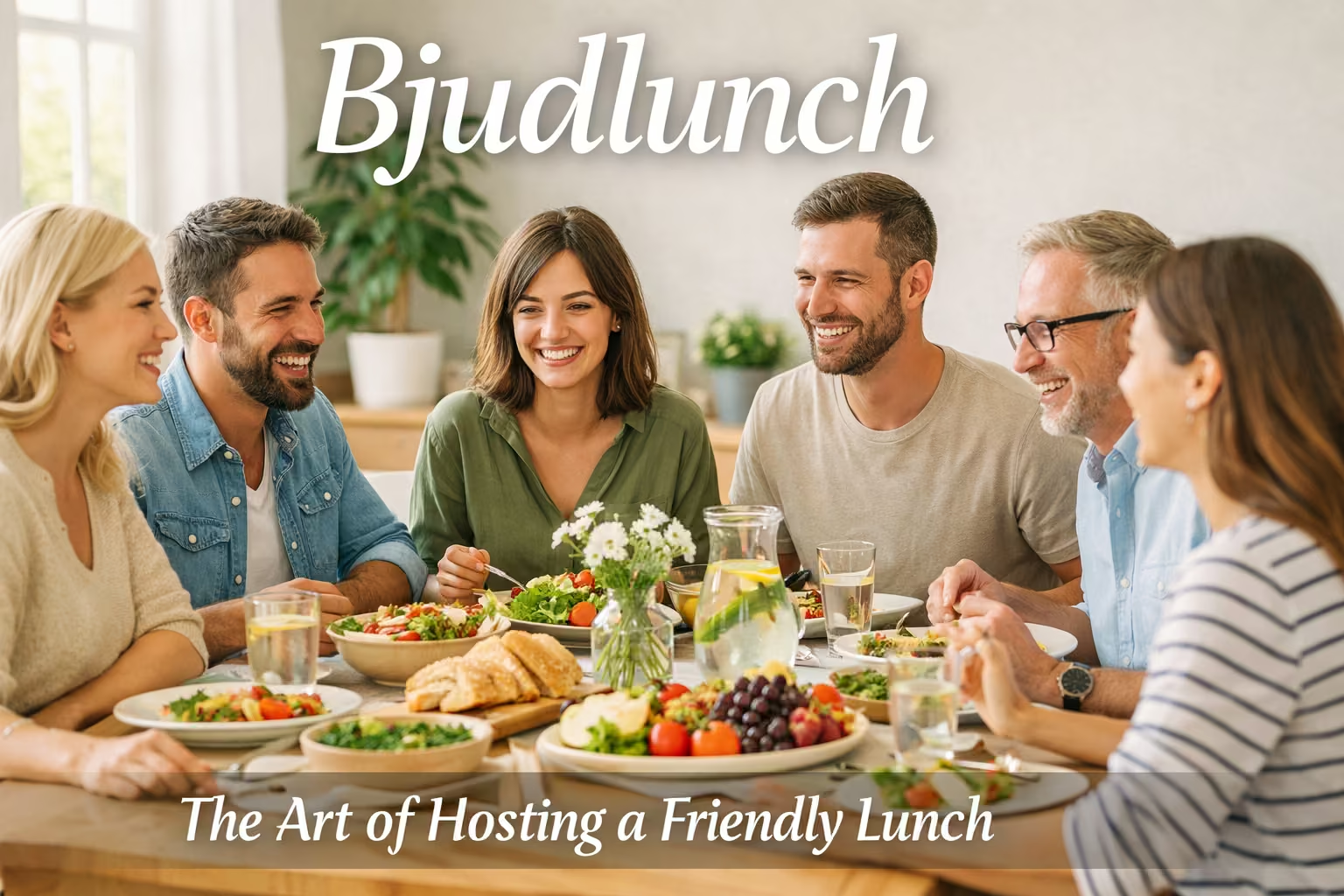
Bjudlunch is more than just a casual meal. It is a warm social tradition centered on sharing food, building relationships, and creating meaningful moments with friends, family, or colleagues. Originating from Sweden, the concept describes a friendly lunch invitation where one person hosts and treats others to a relaxed midday meal.
Unlike formal dinners or elaborate parties, a bjudlunch emphasizes simplicity, hospitality, and genuine conversation. The goal is not to impress guests with luxury but to create a comfortable environment where people connect naturally. In modern society, where schedules are busy and digital communication often replaces face-to-face interaction, hosting a bjudlunch has become a refreshing way to strengthen personal and professional relationships.
This guide explores the meaning, cultural roots, etiquette, and practical strategies for hosting the perfect friendly lunch gathering.
What Is Bjudlunch?
A bjudlunch is a Swedish term that literally translates to “inviting someone to lunch” or “treating someone to lunch.” The word combines bjuda (to invite or offer) and lunch (midday meal).
While the literal meaning is simple, the cultural significance is deeper. In Swedish culture, the act of inviting someone for lunch represents generosity, appreciation, and social bonding. It is not about luxury or status; rather, it is about creating an opportunity for conversation and connection.
Key characteristics of this tradition include:
-
The host invites guests and typically pays for the meal.
-
The atmosphere is relaxed and informal.
-
The focus is on conversation and relationship building.
-
The food is simple yet thoughtfully prepared.
Because it takes place during the day, the gathering feels lighter and less formal than dinner parties. It allows people to share meaningful time together without the pressure of elaborate hosting.
The Cultural Origins of Bjudlunch
To truly understand the meaning of this lunch tradition, it is important to explore its Scandinavian roots.
In Sweden, hospitality often takes subtle forms. Instead of grand gestures, social customs tend to emphasize modesty and equality. Inviting someone for lunch reflects these cultural values.
Historically, communal meals have played an important role in Scandinavian society. Farmers, neighbors, and families often gathered during midday breaks to share food and stories. Over time, these informal gatherings evolved into a social practice that symbolized generosity and trust.
Today, the tradition still reflects core Scandinavian principles such as:
1. Generosity Without Obligation
Offering lunch is seen as an act of kindness rather than a financial display. The host invites someone simply to share a moment together.
2. Equality and Simplicity
Swedish culture values equality. A lunch invitation removes social barriers and encourages relaxed conversation.
3. Human Connection
Despite Sweden’s reputation for reserved behavior, meaningful social interactions remain deeply valued.
Because of these values, this lunch tradition remains an important part of everyday social life.
Why Hosting a Bjudlunch Matters Today
In a fast-paced digital world, people often struggle to maintain meaningful personal connections. Hosting a friendly lunch provides an easy way to reconnect with others.
Here are some of the main reasons why people embrace this tradition.
Strengthening Relationships
Sharing food naturally encourages conversation. Sitting at the same table allows people to communicate openly, laugh, and exchange ideas.
Creating a Relaxed Social Environment
Lunch gatherings feel less formal than dinners or parties. Guests feel comfortable and relaxed, which encourages authentic interactions.
Encouraging Work-Life Balance
A midday social gathering does not interfere with evening schedules. People can enjoy the experience without sacrificing family time.
Supporting Professional Networking
In business environments, lunch meetings help build trust between colleagues, clients, and partners.
Because of these benefits, many professionals prefer lunch meetings over formal business dinners.
The Psychology Behind Shared Meals
Human beings have shared food together for thousands of years. Anthropologists often describe meals as one of the oldest social rituals.
When people eat together:
-
Stress levels decrease
-
Communication improves
-
Trust increases
-
Social bonds strengthen
Lunch gatherings are particularly effective because they occur during the day when people are more energetic and focused.
This is why many cultures around the world treat shared meals as powerful social experiences.
Planning a Successful Bjudlunch
Hosting a great lunch gathering requires thoughtful preparation. Fortunately, the process does not need to be complicated.
The key is to balance organization with a relaxed atmosphere.
Step 1: Choose the Right Guests
The first step is deciding who to invite. The best gatherings usually include:
-
Close friends
-
Family members
-
Work colleagues
-
New acquaintances you want to know better
Avoid inviting too many people. Smaller groups create better conversations.
A group of 4 to 8 guests is often ideal.
Step 2: Select a Comfortable Location
A lunch gathering can take place in several locations:
-
Your home
-
A garden or backyard
-
A café or restaurant
-
A park for outdoor dining
Home gatherings often feel more personal and intimate. However, restaurant lunches are convenient when you want to focus entirely on conversation.
Step 3: Plan a Simple Menu
Food should be delicious but uncomplicated.
Traditional lunch menus often include:
Light Main Dishes
-
Sandwich platters
-
Pasta salads
-
Quiches
-
grilled chicken or fish
Fresh Sides
-
Mixed salads
-
roasted vegetables
-
soups
Desserts
-
cakes
-
fruit platters
-
pastries
The idea is to serve food that guests can enjoy without feeling overly full.
Step 4: Prepare in Advance
Preparation reduces stress and allows the host to enjoy the event.
Helpful preparation tips include:
-
Cook dishes the night before
-
set the table early
-
prepare drinks in advance
-
organize serving plates
This ensures the host can focus on guests instead of kitchen work.
Creating the Perfect Atmosphere
A friendly lunch gathering should feel welcoming and relaxed.
Small details can transform a simple meal into a memorable experience.
Table Setup
Decorations do not need to be elaborate. A simple arrangement can create a warm atmosphere.
Examples include:
-
fresh flowers
-
candles
-
cloth napkins
-
natural wooden tableware
Lighting
Natural daylight creates a comfortable and positive environment.
If indoors, open curtains or windows to allow sunlight into the room.
Background Music
Soft music can improve the mood without distracting from conversation.
Choose calm genres such as:
-
jazz
-
acoustic music
-
instrumental playlists
Bjudlunch Etiquette: Hosting With Grace
Although informal, there are a few unwritten rules that guide this tradition.
The Host Pays
When someone invites guests for lunch, they typically cover the cost of the meal. This gesture reflects generosity and appreciation.
Guests Show Gratitude
Guests should always thank the host for the invitation. A simple thank-you message afterward is considered polite.
Keep It Modest
Lavish displays are unnecessary. Simplicity is an important part of the tradition.
Encourage Conversation
The host should help guests feel comfortable by introducing people and encouraging interaction.
Popular Foods Served at a Bjudlunch
Traditional Scandinavian lunch menus often include regional dishes. However, modern hosts adapt the concept using many cuisines.
Examples of popular lunch foods include:
Swedish Classics
-
Swedish meatballs
-
gravlax (cured salmon)
-
pickled herring
-
potato dishes
Modern Lunch Options
-
avocado toast
-
grain bowls
-
gourmet sandwiches
-
Mediterranean salads
Desserts might include cinnamon buns, cakes, or fruit-based sweets.
The goal is variety and flavor without complexity.
Modern Variations of the Bjudlunch Tradition
While the tradition originated in Sweden, it has evolved globally.
Today, the concept appears in many forms.
Business Networking Lunches
Professionals use lunch meetings to build partnerships and discuss opportunities.
Community Gatherings
Neighbors or local groups organize friendly lunches to build community spirit.
Cultural Fusion Lunches
Hosts combine dishes from different cuisines, creating unique dining experiences.
Virtual Lunch Gatherings
In remote workplaces, colleagues sometimes host online lunch meetings to maintain social connections.
These variations demonstrate how adaptable the tradition can be.
Benefits of Hosting a Bjudlunch
Hosting lunch gatherings offers numerous personal and social advantages.
1. Stronger Social Connections
Sharing meals encourages genuine conversations and deeper friendships.
2. Reduced Stress
Daytime gatherings feel relaxed and less demanding than evening events.
3. Improved Networking
Business relationships often grow stronger in informal environments.
4. Cultural Exchange
Food introduces guests to new traditions and cuisines.
5. Increased Happiness
Research consistently shows that social dining improves emotional well-being.
Common Mistakes When Hosting a Lunch Gathering
Even simple gatherings can face challenges. Avoid these common mistakes.
Overcomplicating the Menu
Complex meals create unnecessary stress for the host.
Inviting Too Many Guests
Large groups can reduce the quality of conversation.
Ignoring Dietary Needs
Always ask guests about allergies or dietary restrictions.
Poor Time Management
Lunch gatherings should start and end on schedule so guests can continue their day.
How to Adapt Bjudlunch to Your Own Culture
Although the tradition comes from Sweden, anyone can adopt the concept.
Here are ways to adapt it locally.
Incorporate Local Cuisine
Serve dishes that reflect your culture and ingredients.
Encourage Shared Cooking
Guests may bring dishes to create a collaborative experience.
Celebrate Seasonal Foods
Use fresh ingredients available during the season.
Create Cultural Themes
Hosts can design lunch gatherings around themes such as Mediterranean, Asian, or African cuisine.
The essence of the tradition remains the same: generosity and connection.
The Role of Bjudlunch in Business Culture
In professional environments, lunch invitations serve practical purposes.
Businesses often use them to:
-
welcome new employees
-
celebrate team achievements
-
discuss projects informally
-
build partnerships
Lunch meetings feel less intimidating than formal boardroom discussions. They encourage open dialogue and creative thinking.
Because of this, many companies rely on lunch gatherings to strengthen internal relationships.
The Future of Social Lunch Traditions
As work environments change and remote communication increases, social traditions become even more valuable.
Lunch gatherings provide an opportunity for real human interaction.
Future trends may include:
-
hybrid virtual lunch meetings
-
sustainable food practices
-
multicultural lunch experiences
-
community-focused dining events
Despite technological change, the core idea of sharing food together will always remain important.
Conclusion
Bjudlunch represents a timeless tradition built on generosity, simplicity, and human connection. Instead of focusing on luxury or elaborate hosting, it celebrates the joy of sharing a meal with others.
By inviting friends, family, or colleagues to a relaxed midday gathering, hosts create an environment where meaningful conversations can flourish. The experience reminds us that hospitality does not require extravagance—only warmth and intention.
Whether used for social gatherings, professional networking, or cultural exchange, this lunch tradition continues to demonstrate the power of food to bring people together.
In a world that often feels rushed and digital, the simple act of sharing lunch remains one of the most meaningful ways to connect with others.
1. What is Bjudlunch?
Bjudlunch is a Swedish tradition of inviting someone to a friendly lunch where the host usually pays for the meal. It focuses on hospitality, relaxed conversation, and building stronger social connections.
2. Where does the tradition of Bjudlunch come from?
The tradition comes from Sweden and Scandinavian culture, where inviting someone for lunch is considered a simple but meaningful way to show generosity, appreciation, and friendship.
3. What does the word Bjudlunch mean?
The word Bjudlunch combines two Swedish words:
-
Bjuda – meaning to invite or treat someone
-
Lunch – meaning midday meal
Together, the term refers to inviting someone to lunch and usually covering the cost.
4. Is Bjudlunch a formal or informal event?
A Bjudlunch is typically informal. The focus is on comfort and conversation rather than formal dining etiquette. It can take place at home, in a restaurant, or even outdoors.
5. Who usually pays during a Bjudlunch?
In most cases, the host pays for the meal because the invitation itself implies generosity. However, in modern settings, some guests may offer to contribute as a polite gesture.
6. What food is typically served at a Bjudlunch?
A traditional lunch gathering often includes light and simple dishes, such as:
-
Sandwiches
-
Salads
-
Pasta dishes
-
grilled fish or chicken
-
soups or small desserts
The goal is to serve food that is delicious but easy to prepare.
7. How many people should be invited to a Bjudlunch?
Most hosts invite small groups of 4 to 8 people. Smaller gatherings allow for better conversations and a more relaxed atmosphere.
8. Why is Bjudlunch popular for networking?
Lunch gatherings are popular for professional networking because they create a relaxed environment where people can discuss ideas, build trust, and develop business relationships.
9. Can Bjudlunch be hosted at home?
Yes. Many people host Bjudlunch at home, which often feels more personal and welcoming. Home lunches allow hosts to create a cozy environment and serve homemade meals.
10. How can you host a successful Bjudlunch?
To host a successful Bjudlunch, follow these simple steps:
-
Invite a small group of guests
-
Prepare a simple and tasty menu
-
Create a relaxed atmosphere
-
Encourage conversation
-
Focus on hospitality rather than perfection
The key is making guests feel comfortable and appreciated.
Read this:
20 Most Successful Independent Music Artists
How to Write Professional Music Opinions and Reviews: The Ultimate Guide
A Comprehensive Guide To SSIS 469
100 Easy General Knowledge Questions and Answers In English [2025 Edition]
How to Draw a NIKE LOGO: 7 Easy Steps
How to Download Videos from Facebook in 2025?
liveeamoment. org: The Friendly Way To Embrace Mindfulness
https://audiomack.com/halmblogmusicgh

